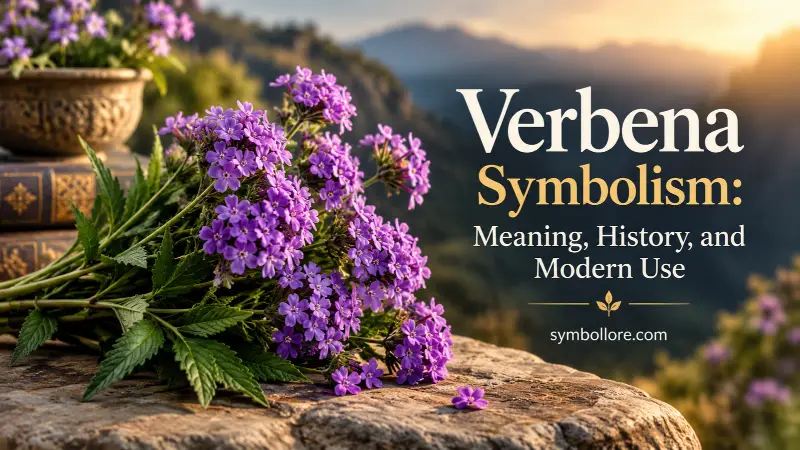
Verbena symbolism combines ancient traditions with the beauty of a familiar garden flower. For centuries, people have connected verbena with protection, love, sacred rituals, and spiritual cleansing. Today, its bright blossoms also inspire ideas of peace, hope, and emotional connection.
But what does verbena really symbolize, and where did these meanings begin?
The answer depends on the type of verbena and the tradition behind it. Ancient Europeans valued common vervain as a sacred herb, while modern gardeners often know verbena for its colorful flowers.
This guide explores the flower’s history, spiritual meanings, traditional color symbolism, and place in modern life.
Quick Answer: What Does Verbena Symbolize?
Verbena symbolizes protection, enchantment, sacredness, love, and purification. Its historical meanings come mainly from beliefs about common vervain, an herb associated with ancient ceremonies and European folklore. In modern flower symbolism, verbena may also represent harmony, affection, and renewal. However, these meanings are cultural associations and personal interpretations, not universal rules.
Key Takeaways
- Protection: European folklore connects vervain with guarding against harmful influences.
- Sacredness: Ancient traditions treated certain plants called verbena as important ceremonial herbs.
- Love: Romantic symbolism appears in historical flower language and love-related folklore.
- Enchantment: Vervain developed a strong reputation in medieval magical traditions.
- Modern meaning: Garden verbena can express joy, friendship, hope, and personal renewal.
What Is Verbena Symbolism?
Verbena symbolism refers to the emotional, cultural, and spiritual meanings people attach to plants known as verbena.
Verbena belongs to the Verbenaceae plant family. Many species produce clusters of small flowers in purple, pink, red, white, and other shades. Some grow upright, while others spread across garden beds or trail from containers.
The name also connects to vervain, especially Verbena officinalis, a plant with a long history in traditional European herbal practices.
Although gardeners may use the names verbena and vervain casually, not every plant sold as verbena has the same historical background.
The symbolic traditions mostly concern common vervain. Many modern ornamental varieties became popular because of their colorful, long-lasting blooms.
Understanding this distinction helps explain why verbena can represent both ancient spiritual protection and simple garden beauty.
Verbena Meaning and Spiritual Significance
Verbena has several symbolic meanings. Some come from historical beliefs, while others reflect modern personal interpretations.
Protection and Safety
Protection is one of vervain’s strongest traditional associations.
European folklore described the herb as a defense against witchcraft, evil spirits, and unwanted influences. People sometimes carried or displayed it because they believed it could provide spiritual safety.
These customs reveal the herb’s historical importance. They do not establish that the plant possesses supernatural powers.
Today, someone might choose verbena as a personal reminder of safety, courage, and emotional strength.
Love and Affection
Verbena also has a history of romantic symbolism.
Older traditions connected vervain with attraction and love-related practices. Later flower-language books gave certain verbena colors meanings associated with relationships and family bonds.
In a modern bouquet, verbena can represent affection without the strong romantic expectations often attached to red roses.
Its small flowers also make it a thoughtful symbol of everyday care.
Spiritual Cleansing and Renewal
In traditional belief systems, vervain appeared in practices associated with purification.
People valued it as a sacred plant and connected it with ritual preparation, blessings, and protection.
Modern spiritual interpretations sometimes use verbena as a symbol of releasing unwanted emotions or beginning again.
This meaning works best as a metaphor. A person may associate the plant with emotional renewal without believing that it physically removes negative energy.
Enchantment and Mystery
Vervain’s reputation for enchantment grew from centuries of folklore.
Medieval accounts connected the herb with magical charms, supernatural protection, and unusual rituals. Some traditions treated it as a plant that could resist harmful magic.
Because of this history, verbena can symbolize curiosity about the unknown.
In fiction or art, a branch of vervain may suggest mystery, secrecy, or a connection to older beliefs.
Peace and Harmony
Verbena’s connection with peace needs historical context.
Plants described by the Latin term verbenae appeared in ancient Roman religious and diplomatic customs. However, the word did not always identify the modern species called common vervain.
Today, peace and harmony are reasonable symbolic interpretations, especially when verbena appears in a garden or a thoughtful floral gift.
Its gentle colors and clustered blossoms can suggest cooperation, balance, and calm relationships.
Verbena Symbolism in Ancient History and Culture
Verbena’s history explains why one modest herb gained so many symbolic meanings.
Ancient Roman Verbena Symbolism
In ancient Rome, plants called verbenae appeared in sacred ceremonies.
Roman religious customs involved selected branches and herbs used during important rituals. The plants helped mark certain actions as solemn or sacred.
Some traditions also connected these ceremonial plants with diplomatic duties and agreements.
However, historians caution that the ancient word verbenae could describe several kinds of sacred greenery.
It would therefore be inaccurate to claim that every Roman ceremony used today’s Verbena officinalis.
The strongest historical theme is sacredness rather than a single fixed flower meaning.
Verbena in Greek Traditions
Ancient Greek and Roman herbal traditions gave vervain a respected place among plants with special religious or medicinal reputations.
Some later accounts connect the herb with blessings, purity, and protection.
The details vary across surviving writings and later retellings. Not every modern claim about Greek verbena symbolism can be traced to a reliable ancient record.
Still, these associations help explain how vervain developed its reputation as an unusual and meaningful plant.
Verbena in Medieval European Folklore
During the Middle Ages, vervain became closely connected with charms and protective customs.
Folklore sometimes portrayed it as a plant that could resist witchcraft. Other traditions connected its collection with special prayers, dates, or ceremonies.
This gave the herb a curious double meaning.
It belonged to stories about magic, yet people also believed it offered protection against magic.
That contrast makes vervain especially interesting in symbolism studies. The same plant could represent spiritual danger, sacred protection, or mysterious power depending on the story.
Verbena in Christian Folklore
Christian folklore gave vervain another layer of meaning.
One traditional legend connects the herb with the wounds of Jesus during the Crucifixion. In some versions, vervain was believed to have helped stop bleeding.
This is a religious folk tradition, not an event established by the Bible.
The story helped associate the herb with sacrifice, healing, compassion, and sacred suffering.
For readers exploring Christian plant symbolism, that distinction matters. Vervain belongs to later Christian folklore rather than an explicit biblical account.
Verbena Flower Colors and Their Symbolic Meanings
Flower color can change how people interpret verbena. However, historical meanings and modern interpretations are not always the same.
A nineteenth-century flower-language vocabulary gives specific meanings to several verbena colors.
| Verbena Color | Historical or Modern Symbolism |
|---|---|
| Pink | Family union in one historical flower vocabulary |
| Scarlet | Unity against evil or church unity in the same source |
| White | A request for prayer in that historical vocabulary |
| Purple | Mystery, dignity, and reflection in modern personal symbolism |
| Red | Passion and affection in modern color symbolism |
| Lavender | Calm, gentleness, and emotional balance in contemporary interpretations |
Purple Verbena Symbolism
Purple verbena may symbolize mystery, reflection, and spiritual curiosity.
Purple has long carried associations with dignity and special importance in many settings. When paired with vervain’s folklore, the color can create a meaningful image of hidden knowledge and quiet strength.
This is a modern interpretation rather than one universal ancient meaning.
Pink Verbena Symbolism
Pink verbena has a particularly interesting historical association.
A historical flower-language vocabulary lists pink verbena as a symbol of family union.
That makes it suitable for a personal gift celebrating family relationships, togetherness, or reconciliation.
In modern arrangements, pink can also suggest kindness and gentle affection.
White Verbena Symbolism
White verbena appears in historical flower language with a meaning connected to prayer.
Today, people may also interpret white blossoms as symbols of peace, sincerity, remembrance, or a fresh beginning.
These modern associations can be especially fitting in a quiet memorial garden or a thoughtful bouquet.
Red Verbena Symbolism
Red verbena often suggests passion, warmth, and determination in modern flower arrangements.
Historical scarlet verbena symbolism can be different. One older flower vocabulary connects it with unity against evil or church unity.
Therefore, the meaning depends on whether someone uses a historical floral code or a modern color association.
Examples of Verbena Symbolism in Everyday Life
Verbena’s meanings become easier to understand through everyday examples.
Example 1: A Gift for Family Togetherness
Someone gives pink verbena to a relative after a difficult year.
The flowers can represent family unity and the desire to maintain a close relationship.
This interpretation draws on historical flower language while remaining meaningful today.
Example 2: A Garden That Represents Renewal
A homeowner plants colorful verbena after moving into a new house.
The flowers become a personal symbol of fresh beginnings, hope, and creating a welcoming space.
This meaning comes from the gardener’s intention rather than an ancient rule.
Example 3: A Protective Symbol in a Story
A writer places vervain near the doorway of a fictional cottage.
Within a story shaped by European folklore, the herb can suggest that someone seeks protection from supernatural danger.
The symbol works because of the plant’s established folkloric associations.
Example 4: A Meaningful Flower Tattoo
A person chooses a purple verbena tattoo to represent personal growth and inner strength.
The design may combine the plant’s historical mystery with an individual experience of change.
Tattoo meanings are personal, so the wearer determines its final significance.
Uses and Applications of Verbena Symbolism
Verbena symbolism can add meaning to gardens, gifts, art, and personal traditions.
Verbena in Gardens
Garden verbena is valued for its colorful flowers and long blooming season.
A gardener may use it to represent optimism, connection with nature, or the joy of everyday life.
Clusters of blossoms can also create a visual reminder of community and togetherness.
These are symbolic choices, not qualities that every gardener automatically associates with the plant.
Verbena in Floral Gifts
Verbena can carry a thoughtful message when selected for a bouquet or potted gift.
Pink flowers may suit a family celebration. White blossoms can express peaceful intentions, while purple flowers may appeal to someone who values reflection and mystery.
A short personal note often makes the message clearer than relying on color alone.
Verbena Tattoos and Artistic Designs
Verbena offers a delicate design for tattoos, drawings, and decorative art.
Artists may emphasize a flower’s branching stems, small petals, or clustered growth.
The design can communicate protection, resilience, tenderness, or spiritual curiosity.
Combining verbena with other elements may create an even more personal meaning.
Verbena in Literature and Storytelling
Writers can use vervain to establish mood or suggest a character’s beliefs.
For example, vervain in an old herbal notebook may suggest knowledge of traditional remedies or folklore.
A plant growing outside a troubled home could become a symbol of hoped-for safety.
These uses are strongest when a story develops the meaning through context rather than assuming readers know the folklore.
Verbena vs. Vervain vs. Lemon Verbena: Symbolic Differences
People sometimes assume these names describe the same plant. They do not.
| Plant | Botanical Identity | Symbolic Context |
|---|---|---|
| Common vervain | Verbena officinalis | Sacred rituals, protection, enchantment, traditional folklore |
| Garden verbena | Ornamental Verbena species and hybrids | Beauty, affection, joy, and modern personal symbolism |
| Blue vervain | Verbena hastata | Can symbolize resilience or protection through personal or regional interpretations |
| Lemon verbena | Aloysia citrodora | Freshness, comfort, and renewal as modern personal associations |
Common vervain has the clearest connection to the historical European traditions discussed in this article.
Ornamental verbena includes many plants grown mainly for their attractive blooms.
Lemon verbena belongs to a different genus. Its pleasant citrus scent has inspired modern associations with freshness and comfort, but it should not automatically inherit every legend about common vervain.
Identifying the plant correctly helps prevent confusion.
Common Misconceptions About Verbena Symbolism
Misconception 1: All Verbena Plants Have the Same Meaning
They do not.
Different species have different histories and uses. A popular ornamental garden hybrid does not necessarily share the historical role of common vervain.
Misconception 2: Verbena Can Scientifically Remove Negative Energy
There is no established scientific evidence that verbena removes supernatural energy.
Protection and purification belong to spiritual beliefs, traditional customs, and symbolic interpretation.
Someone may still find personal comfort in the plant without treating those beliefs as scientific facts.
Misconception 3: Verbena Is Mentioned Directly in the Bible
The well-known Christian story about vervain and the Crucifixion comes from later folklore.
It should not be confused with a biblical passage naming the plant.
Misconception 4: Every Flower Color Has One Ancient Meaning
Flower meanings have changed across books, cultures, and time periods.
Even Victorian flower-language references did not always agree.
Modern color meanings can also differ from older interpretations.
Misconception 5: Traditional Herbal Use Proves a Medical Benefit
Vervain has a long history in herbal medicine. However, historical use alone does not prove that it safely or effectively treats a health condition.
Its symbolic history should remain separate from medical advice.
Important Historical Facts About Verbena
Three details are especially useful when interpreting verbena’s meaning.
1. Ancient Plant Names Were Broader Than Modern Botanical Names
The Roman term verbenae could refer to different kinds of sacred branches or herbs.
This matters because historical texts did not use today’s system of botanical naming.
Readers should avoid identifying every ancient reference with one modern species.
2. Protection and Enchantment Were Connected
Vervain was associated with both magical customs and protection against harmful magic.
That combination may seem contradictory today. In historical folklore, however, protective charms and supernatural beliefs often belonged to the same cultural world.
The plant’s symbolism reflects that relationship.
3. Flower-Language Meanings Were Not Universal
During the nineteenth century, flower-language books became popular in Britain and America.
Their authors assigned meanings using older stories, plant characteristics, and cultural traditions.
Different books could assign different messages to the same flower. As a result, historical flower symbolism should be understood as a collection of interpretations rather than a single universal code.
People Also Ask About Verbena Symbolism
What does verbena mean spiritually?
Verbena spiritually symbolizes protection, purification, sacredness, and renewal. These associations come mainly from historical beliefs about common vervain. In modern spiritual practices, the plant may represent emotional balance or the desire to leave negative experiences behind. Its meaning depends on personal beliefs and cultural context.
Is verbena a symbol of love?
Yes. Verbena has connections to love through historical folklore and flower-language traditions. Some older sources associate vervain with attraction, while pink verbena has been linked to family unity. Today, the flower can express affection, close relationships, and thoughtful care.
Why was verbena considered sacred?
Certain plants called verbena had roles in ancient religious ceremonies. Common vervain later developed a reputation as a sacred and protective herb in European traditions. Its importance came from religious customs, traditional beliefs, and folklore rather than any scientifically established supernatural property.
What does verbena represent in a dream?
Verbena in a dream might represent a desire for protection, emotional healing, or peace, especially if the dreamer already connects the plant with those ideas. However, there is no universal or scientifically proven meaning for dreaming about verbena. The dream’s emotional context matters more than a fixed interpretation.
Frequently Asked Questions
Verbena’s strongest historical meanings include protection, enchantment, and sacredness. These associations developed through ancient ceremonial customs and later European folklore. Modern interpretations may add love, peace, renewal, and emotional strength. The most accurate meaning depends on the particular plant and the tradition being discussed.
Purple verbena can represent protection in a modern personal interpretation. That connection often combines purple’s associations with mystery and dignity with common vervain’s protective folklore. However, there is no single historical rule stating that purple verbena always means protection. The symbolism depends on how the flower is used.
One historical flower-language vocabulary associates pink verbena with family union. This gives the flower a meaningful connection to togetherness and lasting family relationships. Modern interpretations may also emphasize kindness, affection, and emotional warmth. Pink verbena can therefore make a thoughtful gift for a family celebration.
Some folklore connects vervain with protection and favorable outcomes. These beliefs helped establish its reputation as a meaningful herb. Today, someone may view verbena as a personal good-luck symbol. However, such associations are cultural beliefs rather than evidence that the plant changes future events.
A verbena tattoo can symbolize protection, affection, personal growth, or spiritual curiosity. Some designs draw inspiration from the plant’s historical folklore, while others focus on its delicate flowers. The flower’s color and accompanying symbols may add meaning. Ultimately, the wearer decides what the design represents.
No. Lemon verbena and common vervain are different plants. Common vervain has a documented history in European sacred and protective traditions. Lemon verbena is often valued for its citrus-scented leaves. People may give lemon verbena modern symbolic meanings, but its history should not be confused with that of common vervain.
Verbena can symbolize healing in a historical or emotional sense. Traditional herbal practices and religious folklore helped create this association. In modern symbolism, the flower may represent recovery, comfort, or hope after a difficult experience. However, a symbolic connection to healing does not prove a medical benefit.
Conclusion: What Does Verbena Symbolize?
Verbena symbolism reflects a long relationship between plants, traditions, and human emotions.
Its strongest historical meanings include protection, sacredness, and enchantment. Later flower-language traditions added messages about love, family, and prayer. Today, people also use verbena to express peace, hope, renewal, and personal strength.
The most important distinction is between common vervain’s documented cultural history and the personal meanings attached to modern garden flowers.
Whether verbena appears in a bouquet, garden, tattoo, or story, its symbolism becomes most meaningful when its history and context are understood.